Tooling Selection & Materials
The most rigid and precise CNC machine in the world is rendered useless by improper tooling. The interface between the tool and the workpiece dictates surface finish, geometric accuracy, and overall cycle time.
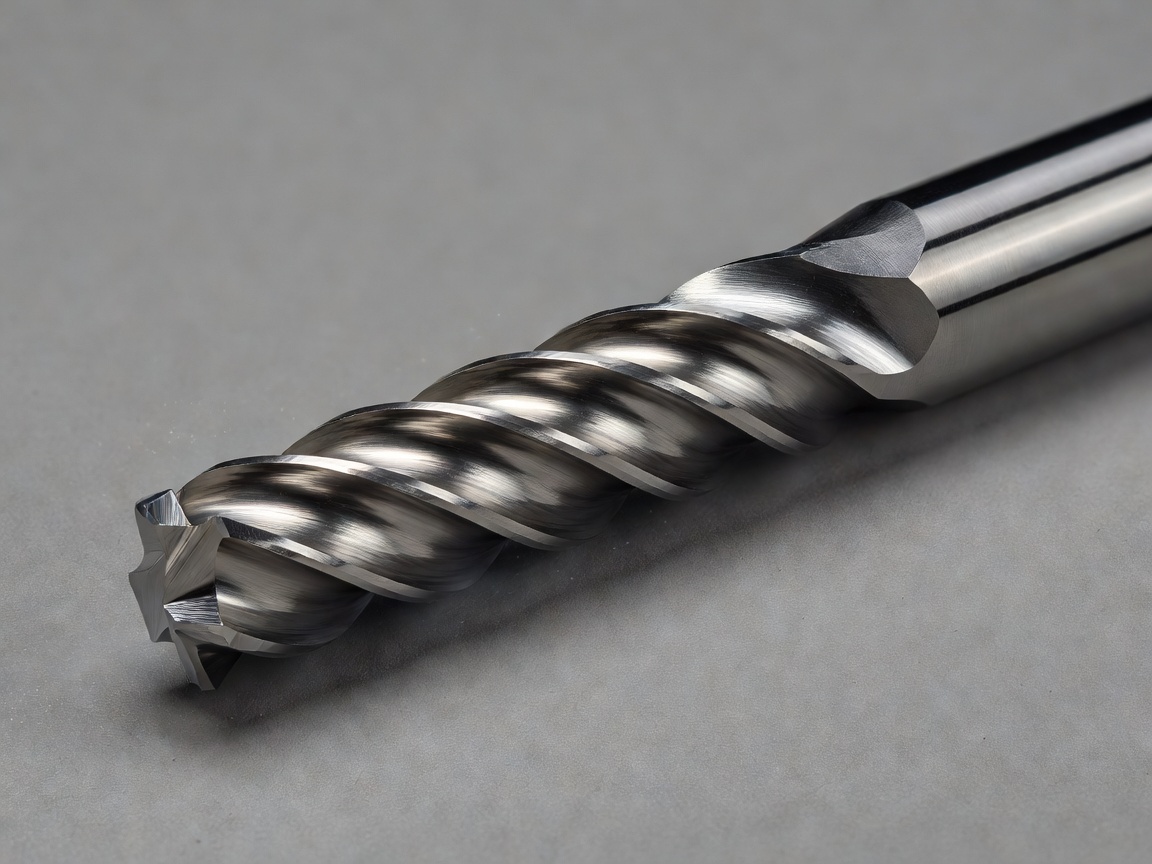
Solid Round Tools vs Indexable Inserts
Solid Carbide
Manufactured from a single piece of tungsten carbide. They offer exceptional rigidity and sharp cutting edges, ideal for smaller diameters (typically under 20mm), high-speed profiling, and fine finishing.
Indexable Tooling
A steel tool body holds replaceable carbide inserts. When an edge dulls, the insert is rotated (indexed) to a fresh edge. More economical for large diameter facing and heavy roughing operations.
Tool Coatings
Cutting metal generates extreme heat through friction and plastic deformation. Tool coatings provide a thermal barrier, increase surface hardness, and reduce chemical affinity between the tool and the chip.
| Coating | Properties | Best Used For |
|---|---|---|
| TiN (Titanium Nitride) | Gold color, general purpose, increases hardness. | Softer steels, aluminum, general machining. |
| TiAlN (Titanium Aluminum Nitride) | Violet/Grey, forms Al2O3 layer at high heat. | Hardened steels, titanium, dry machining. |
| AlTiN (Aluminum Titanium Nitride) | Dark grey, extremely high thermal stability. | Inconel, high-temp alloys, high-speed roughing. |
| Diamond (PVD/CVD) | Highest hardness, highly abrasive resistant. | Graphite, composites, highly abrasive plastics. |
Tool Holding Systems
Securing the tool in the spindle is equally critical. While ER collets are standard for general use, high-precision applications utilize Shrink Fit holders (where the holder is heated to expand, then cools to clamp the tool) or Hydraulic chucks to minimize runout (wobble) to a few microns.